KYC process for persons with disabilities - Right to di

Date Posted • 6/30/2025
Justices JB Pardiwala and R Mahadevan emphasised, in the judgement, that the state should design an inclusive digital ecosystem accessible to all, including marginalised and vulnerable persons, according to LiveLaw.
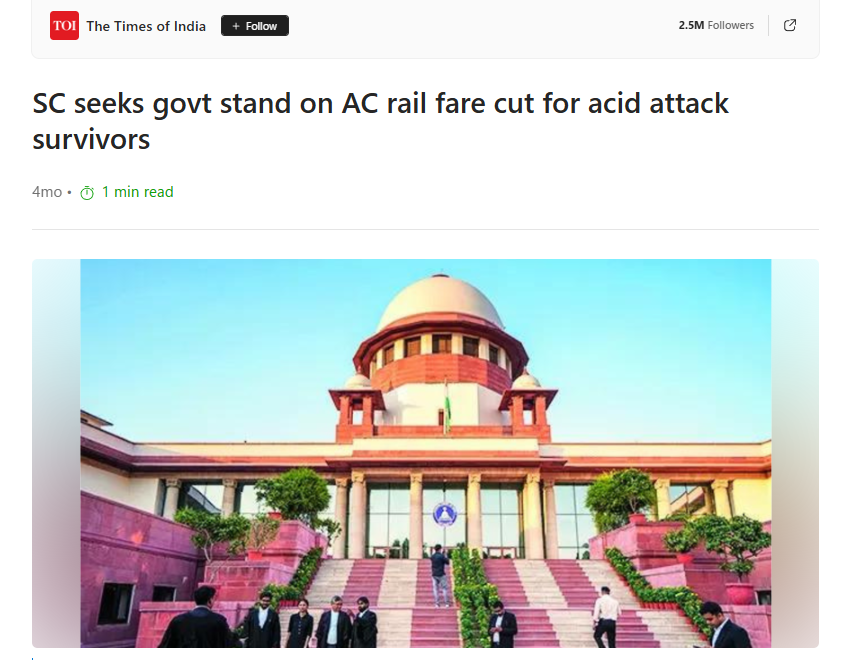
The Supreme Court on April 30 directed the revision of the digital Know-Your-Customer (KYC) norms to enable persons with facial disfiguration due to acid attacks or visual impairment to Access banking and e-governance services.
Legal news website LiveLaw reported that Justices JB Pardiwala and R Mahadevan emphasised in the judgement, that the state has an obligation to design an inclusive digital ecosystem that is accessible to all, including marginalised and vulnerable persons.
The Pragya Prasun Petition
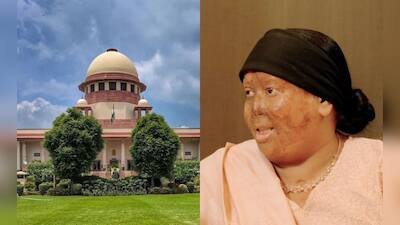
In the first petition, Pragya Prasun had sought the guidelines for an inclusive KYC process for acid attack survivors and persons with permanent eye damage.
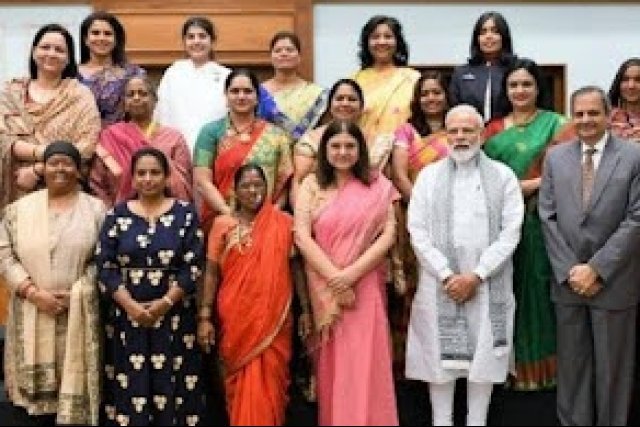
Prasun is an Indian activist who survived an acid attack and set up the Atijeevan Foundation. The organisation has supported more than 250 other survivors. In 2019, she received the Nari Shakti Puraskar from the Government of India for her work.
In the petition, Prasun sought directions from Union government authorities for framing appropriate guidelines providing for alternative methods to conduct the Digital KYC/e-KYC process for acid attack survivors suffering from permanent eye disfigurement or eye burns, with the view to making the Digital KYC/e-KYC process more accessible and inclusive towards all disabled persons, particularly acid attack survivors.
The petitioner prayed that the Centre clarifies the meaning and interpretation of 'Live Photograph' as mentioned in the Reserve Bank of India(RBI) – KYC Master Directions, 2016 for conducting the Digital KYC/e-KYC and suitable alternatives be framed for this 'live photograph' considering the challenges faced by acid attack survivors and those with permanent eye-disfigurement.
Lack of accessible identification method
In the second petition Amar Jain, who is visually impaired, raised the issue that he regularly suffers from various KYC formalities online due to a lack of accessible identification methods for conducting the KYC process digitally.
KYC process involves taking a selfie, signing with pen and paper, putting a signature on screen using mouse, printing and rescanning or clicking photos of filled up form, extremely short duration of OTPs, etc which remains inaccessible for persons with disabilities.
Therefore, it violates the provisions of the Rights of Persons with Disabilities Act, 2016 and the Constitution of India, noted the petition.
The petition seeks to ensure accessibility and reasonable accommodation in accessing financial, telecom services and government schemes by persons with disabilities specifically blindness/low vision. The Court issued notice in this writ petition on January 21 and tagged it with Pragya Prasun’s petition currently being heard by the same bench.
Experts welcome the SC order
The right to life under Article 21 of the Constitution must be re-interpreted in light of these technological realities.
Nipun Malhotra, Founder of Nipman Foundation and Lead, Disability Rights & Inclusion at the public policy firm The Quantam Hub (TQH) welcomed the Supreme Court order recognising these challenges and suggesting specific solutions.
https://www.livemint.com/news/india/right-to-digital-access-part-of-article-21-sc-directs-to-make-ekyc-process-accessible-to-persons-with-disabilities-11746013531754.html

To Post A Comment, Please Login Or Sign Up.